
Phụ kiện đường ống có hình dạng không đều
Phụ kiện đường ống có hình dạng không đều


 Ngôn ngữ


Phụ kiện đường ống có hình dạng không đều
Phụ kiện đường ống có hình dạng không đều
Phụ kiện đường ống có hình dạng không đều
Phụ kiện đường ống có hình dạng không đều
Phụ kiện đường ống có hình dạng không đều
Phụ kiện đường ống có hình dạng không đều
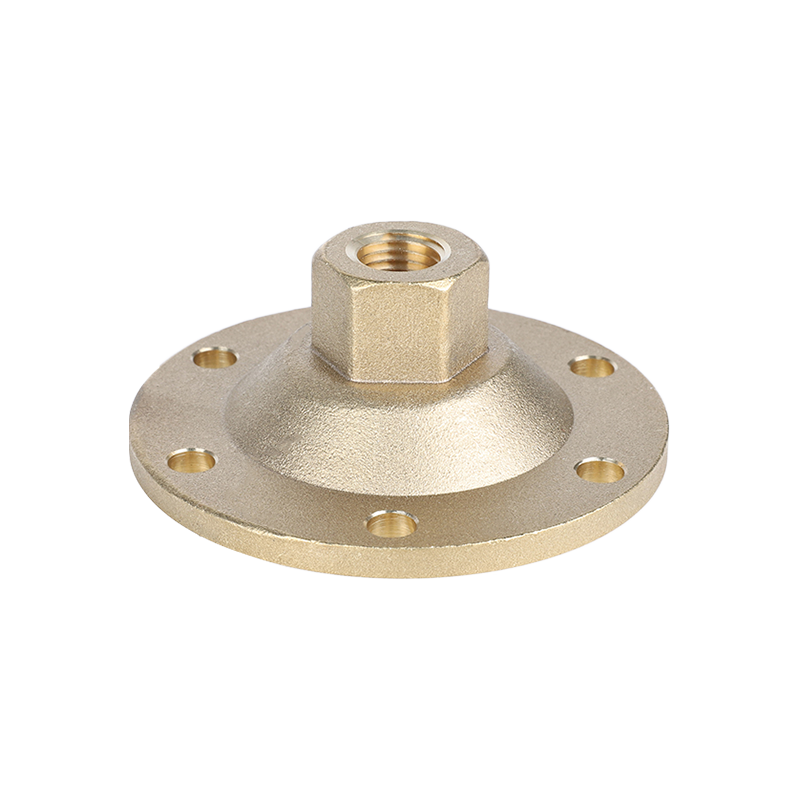
Phụ kiện đường ống có hình dạng không đều
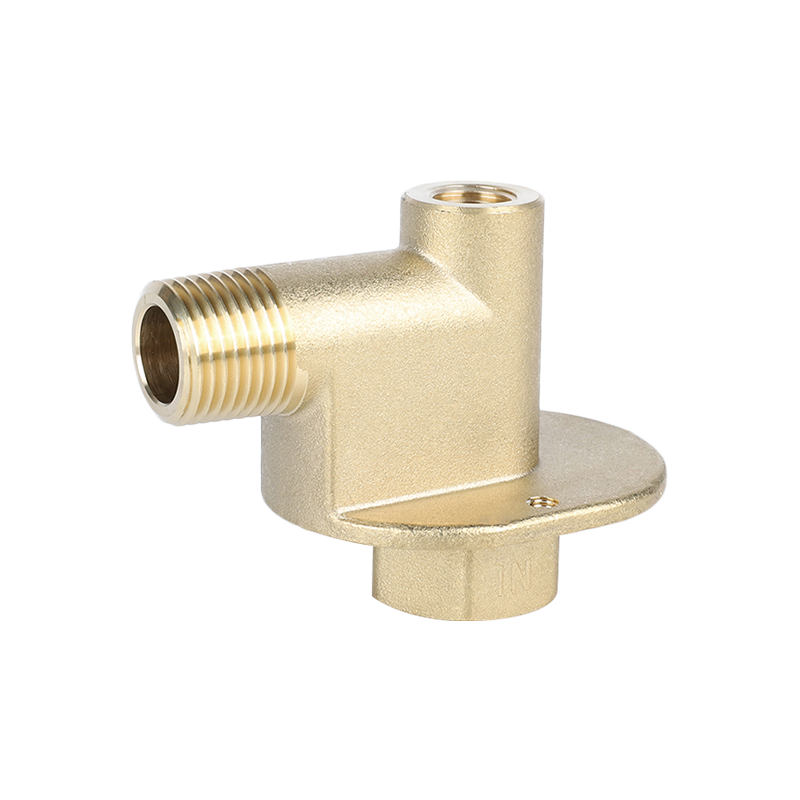
Phụ kiện đường ống có hình dạng không đều
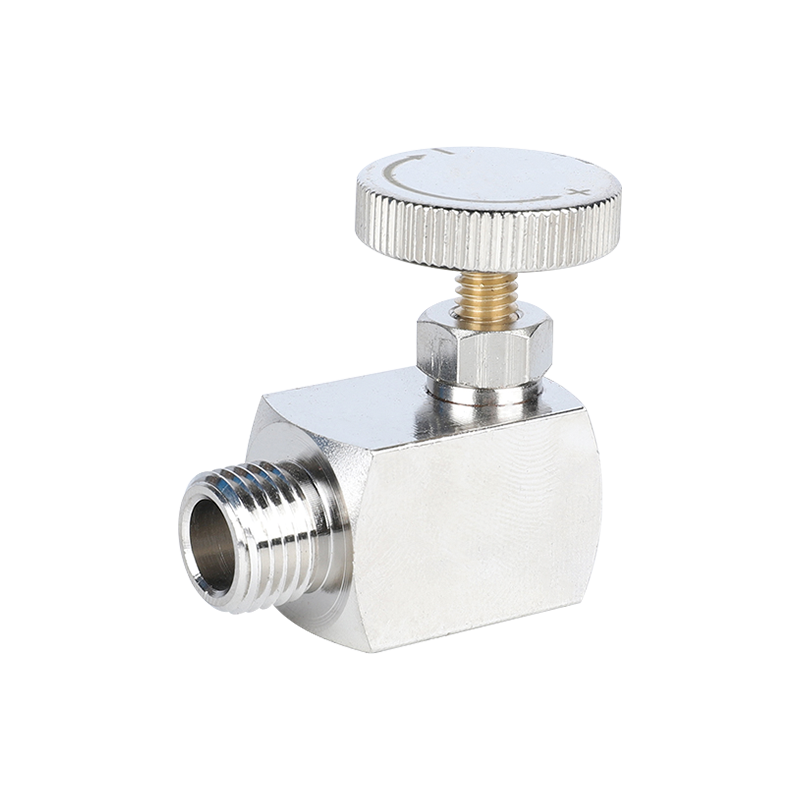
Phụ kiện đường ống có hình dạng không đều
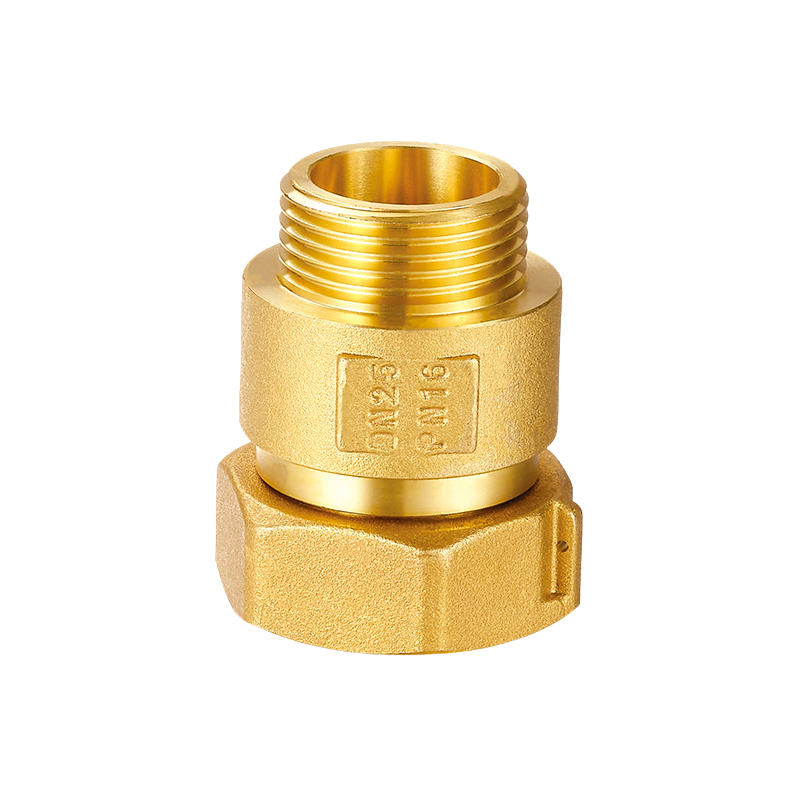
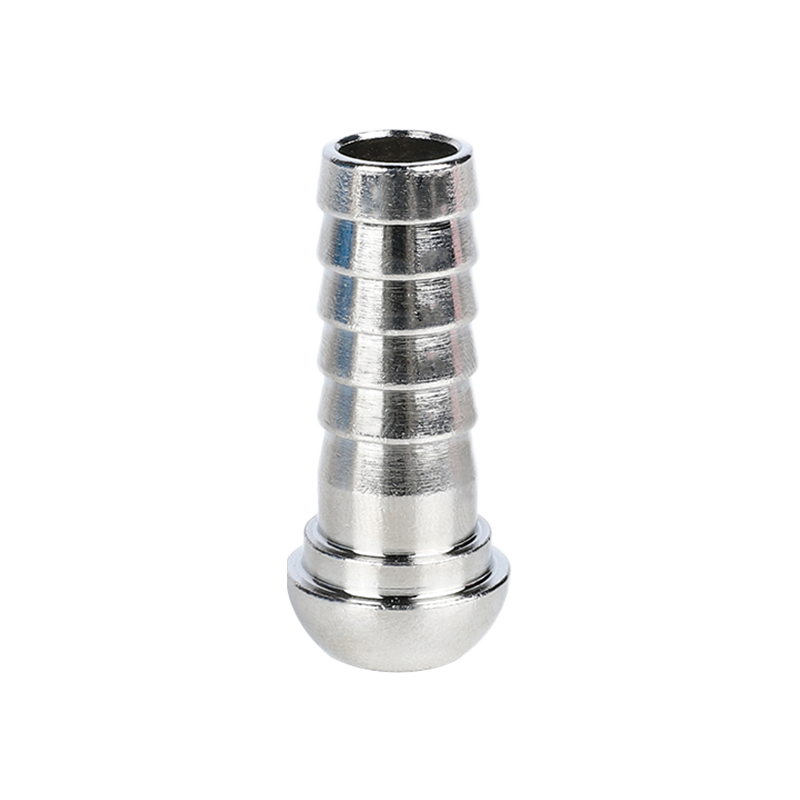
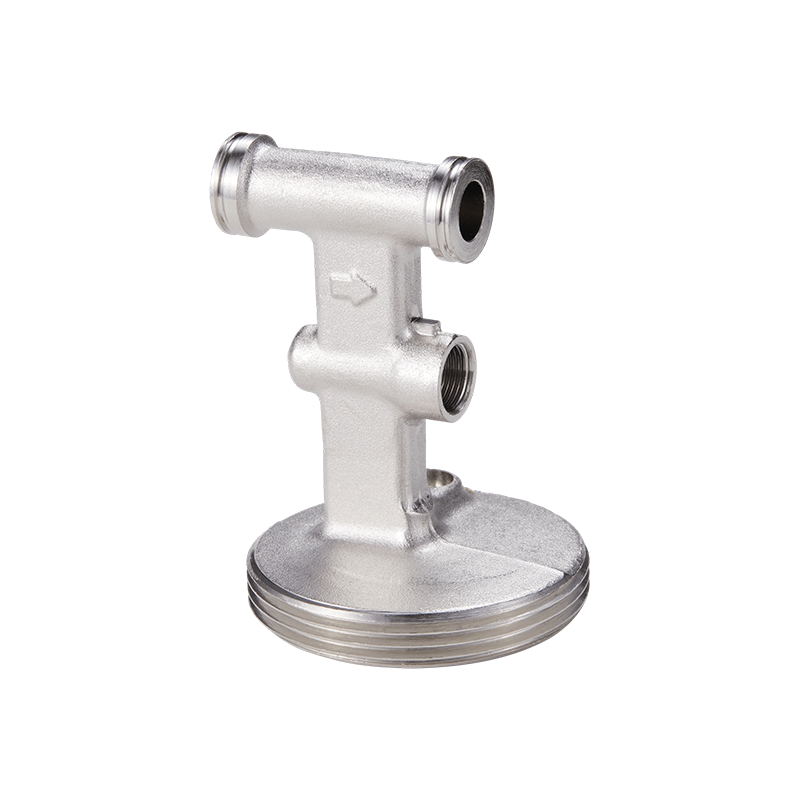
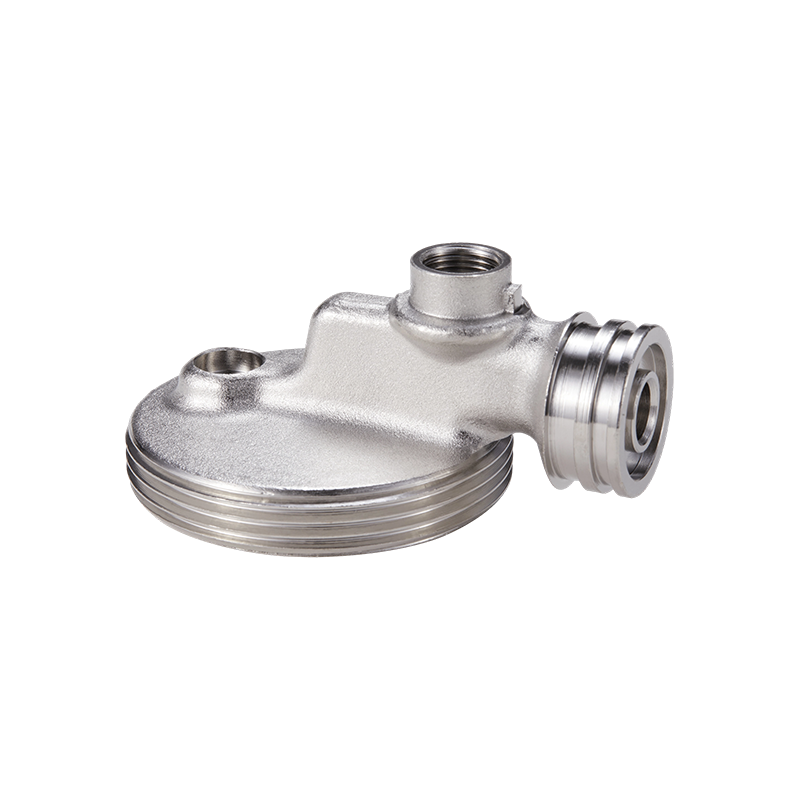
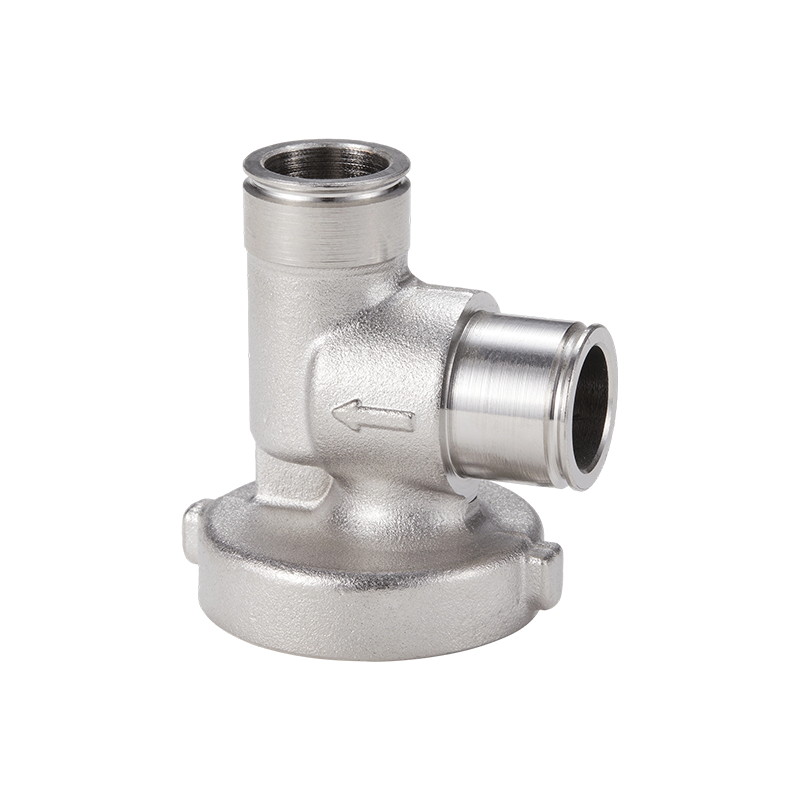
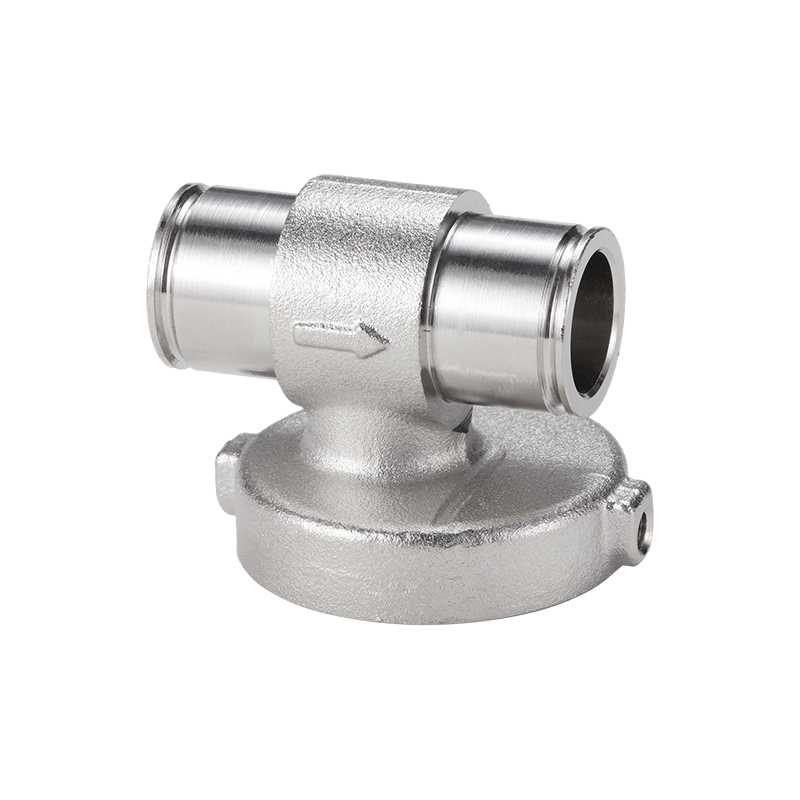
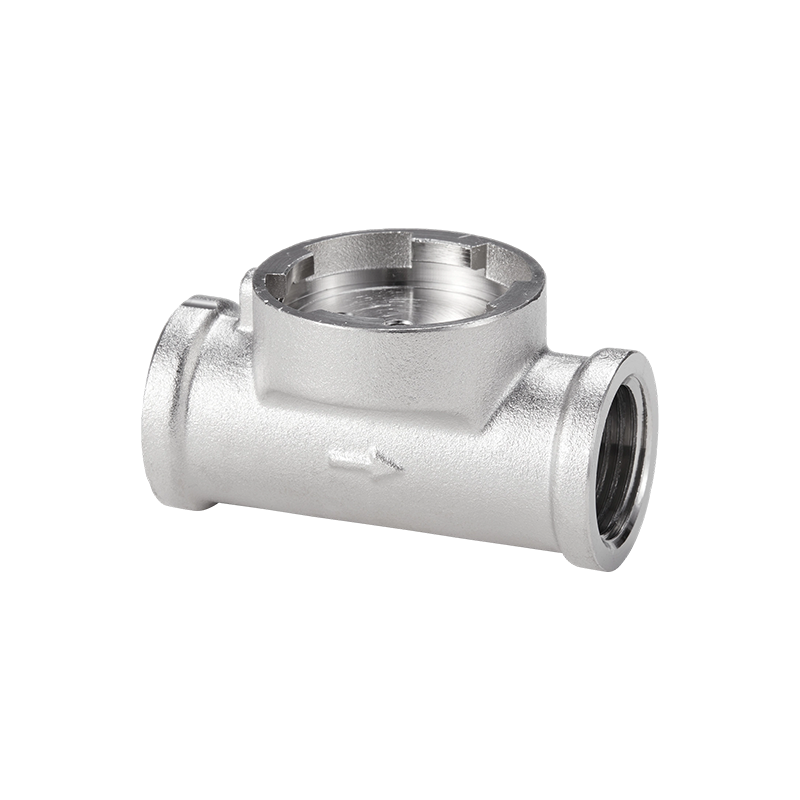
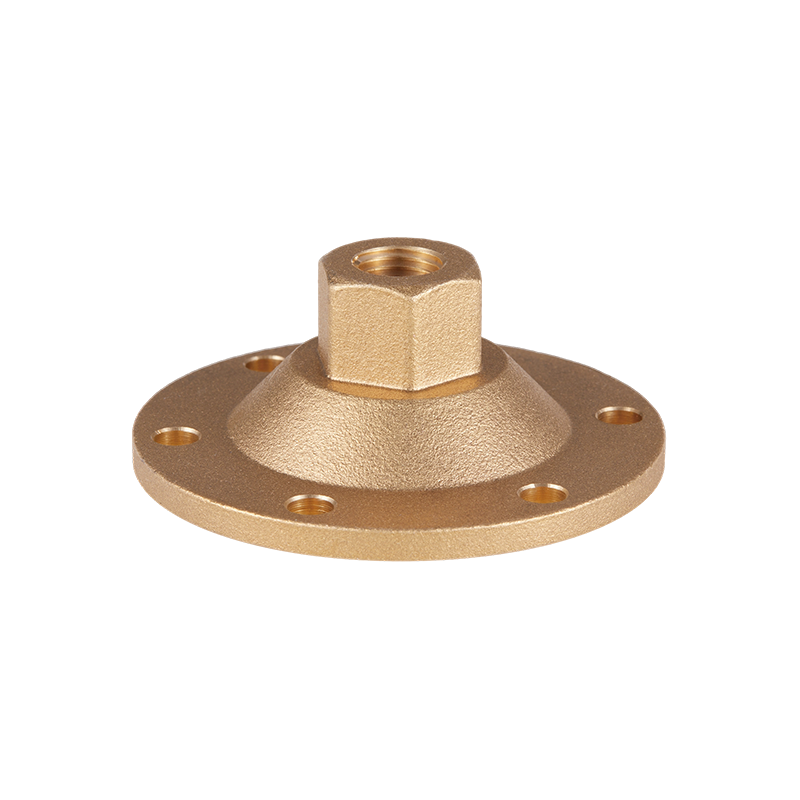
Các bộ phận phi tiêu chuẩn tùy chỉnh được thiết kế cho các bố cục phức tạp, thích ứng với các góc đặc biệt, đường kính thay đổi và lắp đặt trong không gian hạn chế.

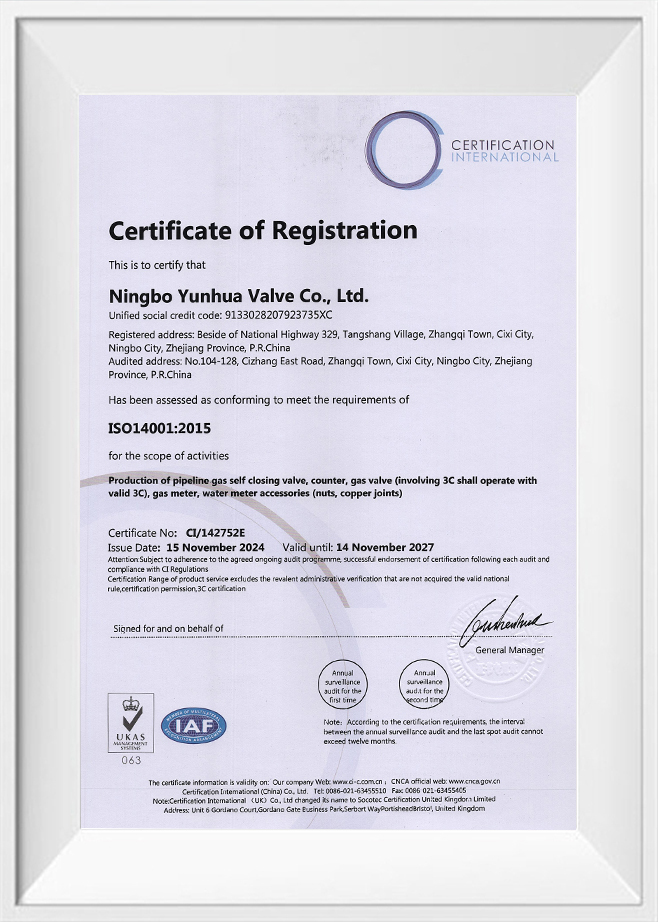
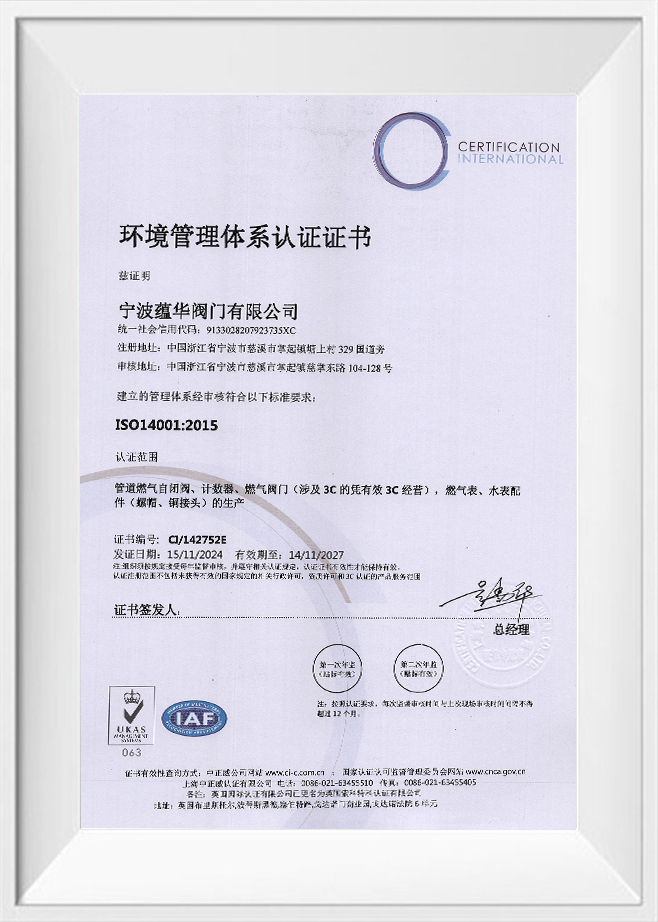
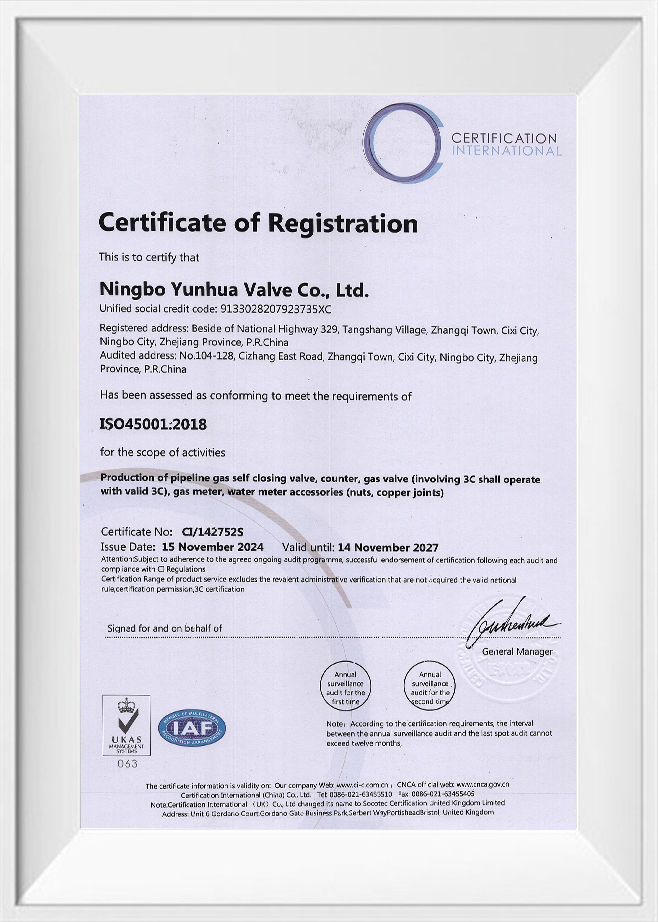
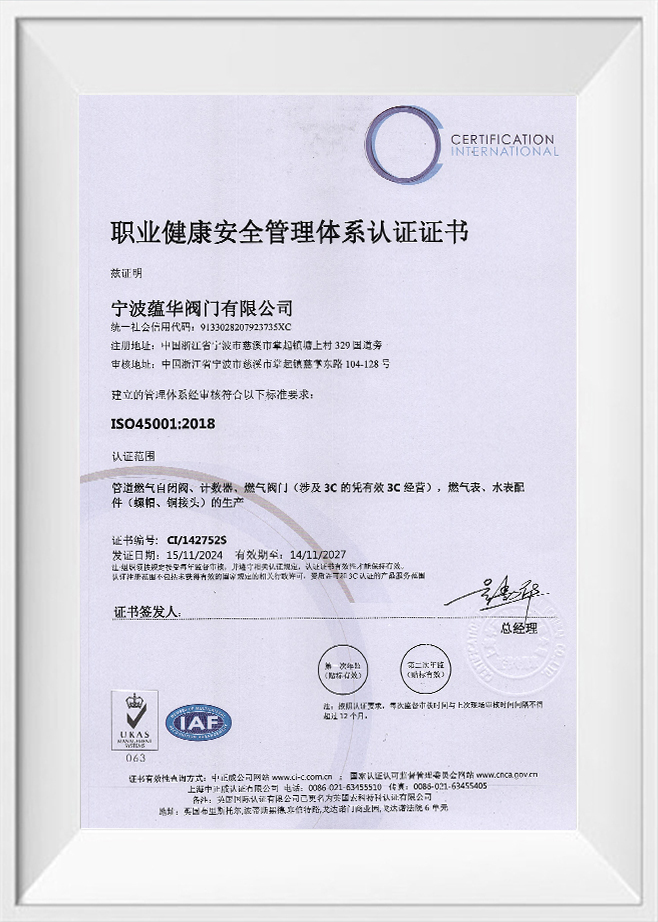
In modern industrial and civil fluid transmission systems, standardized tees, crosses, conventional elbows, and reducers form the backbone of piping networks. However, with the increasing constraints of architectural spaces, the surging complexity of industrial setups, and the emergence of specific fluid dynamics requirements, standard fittings often fall short when dealing with intricate spatial clearances, multi-directional precision flow distribution, or non-uniform cross-sectional transitions. In these scenarios, Irregular-Shaped Pipe Fittings serve as the critical components to resolve engineering bottlenecks in complex piping layouts.
Irregular-Shaped Pipe Fittings refer to non-standardized piping connection components designed with unique geometric structures or complex internal flow channels. Instead of being confined to traditional symmetrical or right-angled configurations, they are custom-developed to satisfy specific spatial restrictions, fluid routing demands, or multi-medium mixing requirements.
Based on their geometric characteristics and structural functions, the mainstream categories of Irregular-Shaped Pipe Fittings in the market can be classified as follows:
Non-Standard Angle Elbows: Unlike common 45-degree or 90-degree elbows, these fittings feature customized turning angles such as 30 degrees, 60 degrees, 135 degrees, or even precise decimal angles. They are used to achieve exact routing clearance within confined spaces.
Asymmetric and Compound Multi-port Fittings: These branch outlets have varying diameters, discharge angles, or three-dimensional spatial orientations. They are utilized to distribute fluid unevenly from a main line to different sub-systems.
Eccentric Reducers & Irregular Transitions: These components not only bridge the gap between different pipe diameters but also alter the axial position of the fluid during the transition. They are frequently used at pump suction ends where liquid accumulation must be avoided or where systems are highly sensitive to cavitation.
Custom Manifolds & Integrated Fluid Blocks: By integrating multiple valve interfaces, distribution channels, and sensor mounting ports into a single irregular metal block, these components minimize welds and external connection points.
Since Irregular-Shaped Pipe Fittings are often deployed in highly demanding or space-constrained environments, their technical indicators and mechanical performance differ significantly from ordinary standard fittings. The table below outlines the core technical parameter comparison between customized Irregular-Shaped Pipe Fittings and traditional standard fittings:
| Technical Parameter Dimension | Standard Pipe Fittings | Irregular-Shaped Pipe Fittings |
| Angle Tolerance | +/-1 degree to +/-2 degrees | +/-0.1 degree to +/-0.5 degree (High-precision customization based on drawings) |
| Wall Thickness Uniformity | Complies with standards (e.g., ASME B16.9), allowing a certain range of thinning | Localized stress concentration areas are intentionally thickened, usually increasing wall thickness allowance by 15%-30% |
| Internal Surface Roughness (Ra) | Typically Ra <= 3.2 um to 6.3 um | High-end hygienic or specialized fluid grades can achieve Ra <= 0.4 um to 0.8 um |
| Sealing Interface Form | Traditional and singular (Butt-welded, socket-welded, standard flange) | Allows compound interfaces (e.g., butt-welding on one end while featuring a special irregular flange or quick coupling on the other) |
| Fatigue Life Cycles | Meets basic fluid circulation pressure tests | Designed for complex turbulent flow; optimized via Finite Element Analysis (FEA) to increase impulse fatigue life by over 1.5 times |
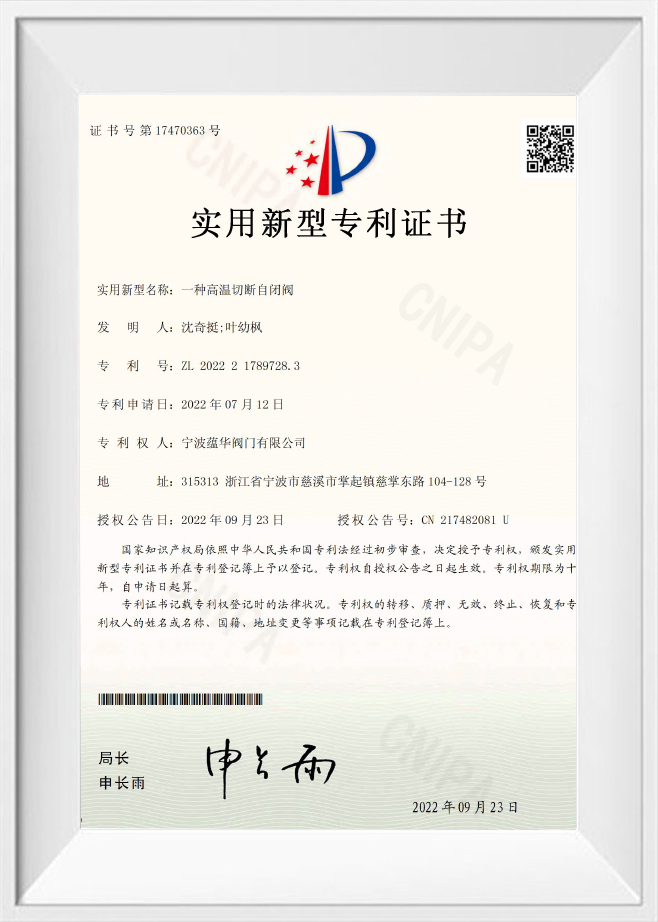
In the pursuit of high integration and safety within fluid control fields, Ningbo Yunhua Valve Co., Ltd. leverages its deep technical expertise and keen market insights to deeply engage in the optimization and manufacturing of various fluid system components. As an innovative enterprise specializing in the research, development, production, sales, and service of gas and fluid valves, water supply valves, and hardware accessories, Ningbo Yunhua Valve Co., Ltd. thoroughly understands that single standard parts can no longer fulfill intricate engineering demands.
Modern industry relies heavily on Irregular-Shaped Pipe Fittings due to three core factors:
Eliminating Safety Risks: Splicing and force-welding multiple standard components to create specific angles results in a large number of welds. Every single weld represents a potential leak point and a locus for stress concentration. In contrast, one-piece molded Irregular-Shaped Pipe Fittings significantly reduce the weld count, thereby boosting the overall sealing reliability and pressure rating of the system.
Optimizing Fluid Efficiency: Arbitrarily assembled piping easily creates severe turbulence and dead legs internally, causing increased fluid resistance, higher energy consumption, and even medium deterioration. Scientifically designed Irregular-Shaped Pipe Fittings feature streamlined internal channels that effectively minimize pressure drops.
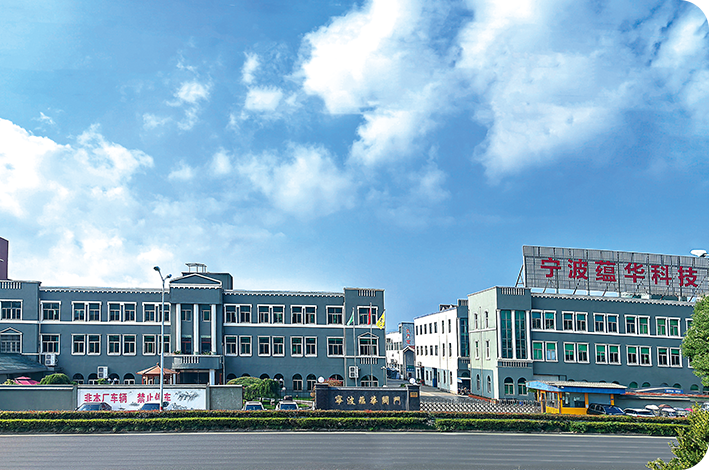
Maximizing Space Utilization: Inside modern factories, automated assembly lines, and compact equipment, space is often measured down to the millimeter. Ningbo Yunhua Valve Co., Ltd. operates a 20,000 square meter production facility equipped with a fully automated precision machining workshop. Its advanced domestic and international CNC machine tools alongside professional automated inspection equipment ensure that these geometrically complex and highly demanding Irregular-Shaped Pipe Fittings match rigorous spatial layouts with absolute precision.
From fundamental water supply networks to sophisticated fluid control apparatuses, Irregular-Shaped Pipe Fittings serve as a critical cornerstone for ensuring efficient and safe fluid network operations through their irreplaceable geometric adaptability.
High-quality Irregular-Shaped Pipe Fittings depend not only on precise geometric design but also on the tight integration of advanced manufacturing processes and material science. Because irregular structures are prone to uneven stress distributions when subjected to fluid pressure, selecting the right forming technology and high-specification materials is crucial for safe fluid system operations.
To meet the distinct requirements for pressure capacity and precision across different industrial and civil environments, the processing of Irregular-Shaped Pipe Fittings spans from traditional forging to modern additive manufacturing. Below is an in-depth comparison of the four most common manufacturing technologies used to produce these irregular components:
| Manufacturing Processes | Core Technical Characteristics | Applicable Product Features & Limitations |
| Investment Casting | Injects molten metal into high-precision molds; offers exceptional forming capabilities for machining extremely complex internal and external cavities. | Ideal for mass-produced Irregular-Shaped Pipe Fittings with highly irregular shapes and complex internal channels. |
| Die Forging | Alters the internal grain structure of the metal blank to conform to the outer contour of the fitting, providing exceptional mechanical strength and pressure resistance. | Suitable for high-pressure, large-diameter irregular elbows or tees, though limited when processing excessively intricate hollow internal structures. |
| Multi-Axis CNC Machining | Utilizes high-precision CNC machine tools to cut directly from solid bar stocks or forgings; machining accuracy typically reaches the micron level. | Particularly suited for small-batch, high-precision customized Irregular-Shaped Pipe Fittings, though raw material utilization is relatively low. |
| 3D Printing / Additive Manufacturing (AM) | Utilizes Selective Laser Melting (SLM) technology with metal powders to build parts layer by layer, completely eliminating the limitations of traditional molds and cutting tools. | Perfect for cutting-edge irregular fittings with ultra-complex flow channels or integrated sensor interfaces, though mass production costs currently remain high. |
Different fluid media (such as gas, clean water, and highly corrosive chemicals) impose fundamentally different requirements on the tensile strength, corrosion resistance, and temperature tolerance of Irregular-Shaped Pipe Fittings. In practical applications, the following four classes of materials are most prevalent:
Stainless Steel (e.g., 304, 316L): Offers excellent corrosion resistance and hygiene standards with a smooth surface that resists scaling. It is widely used in pharmaceutical, food, and high-end water purification systems.
Brass & Copper Alloys: Easy to machine with excellent gas tightness and natural antimicrobial properties, making them the core materials for gas systems and civil water supply valves.
Carbon & Alloy Steel: Features high tensile strength alongside high temperature and pressure resistance, commonly used for high-pressure fluid transport in specialized heavy industries.
Engineering Plastics (e.g., PVDF, PTFE): Possess absolute chemical inertness against strong acids and alkalis; though their mechanical strength is lower than that of metals, they remain irreplaceable in highly corrosive environments.
To demonstrate material behavior in irregular structures more clearly, the table below compares the physical and mechanical parameters of typical materials:
| Material Type | Tensile Strength | Temperature Range | Corrosion Resistance Index | Main Applicable Media |
| 316L Stainless Steel | >= 485 MPa | -196°C to 600°C | Extremely High (Resists pitting, acids, and alkalis) | Hygienic fluids, corrosive gases, purified water |
| HPb59-1 Brass | >= 390 MPa | -40°C to 150°C | Medium-High (Resists oxidation and water corrosion) | Fuel gas, water supply systems, hardware fittings |
| ASTM A105 Carbon Steel | >= 485 MPa | -29°C to 425°C | Lower (Requires rust prevention or surface coating) | High-pressure steam, non-corrosive oils |
| PVDF Engineering Plastic | >= 45 MPa | -40°C to 140°C | Extremely High (Resists strong acids and strong oxidizers) | High-purity chemicals, ultra-pure water |
Manufacturing Irregular-Shaped Pipe Fittings with high mechanical stability requires not only scientific material formulation but also a powerful digital manufacturing platform. Ningbo Yunhua Valve Co., Ltd. exhibits strong manufacturing capabilities in this arena. As an innovative enterprise that has spent over a decade deep in the fields of gas and fluid valves, water supply valves, and hardware accessories, the company has infused high-precision manufacturing into every single production step.
Ningbo Yunhua Valve Co., Ltd. operates a modernized production base spanning 20,000 square meters and has established highly specialized, fully automated precision machining workshops, assembly lines, and testing facilities. The workshop houses advanced domestic and international CNC machine tools alongside professional automated assembly and testing equipment. Consequently, when processing geometrically complex Irregular-Shaped Pipe Fittings, the company relies on advanced five-axis and turn-mill composite machining centers to ensure that thread accuracy, sealing surface flatness, and channel center distances fulfill stringent engineering metrics.
Driven by the efficient operation of its fully automated workshops, Ningbo Yunhua Valve Co., Ltd. has achieved an annual production capacity of 2 million sets of valves and 10 million sets of hardware accessories. This scale of precision manufacturing capability allows the company to handle complex, challenging, and customized Irregular-Shaped Pipe Fittings while maintaining rapid delivery schedules and rigid quality control loops.
Due to their unique geometric adaptability and excellent fluid control capabilities, Irregular-Shaped Pipe Fittings have transcended the constraints of traditional standard components. They are widely applied across diverse sectors that demand strict space optimization, fluid efficiency, and safety margins. From complex industrial apparatuses to everyday civil residential setups, these specialized connectors quietly secure the high-efficiency operation of complex fluid networks.
Fuel Gas and Specialized Gas Transmission Systems: During the transport of combustible or high-purity gases, leak-tightness is the primary metric for assessing system safety. When confronting complex wall corners or equipment intake ends, traditional right-angle links or standard tees often require combining multiple joints, which inherently raises leak hazards. Customized Irregular-Shaped Pipe Fittings allow for integrated multi-channel transitions, reducing fluid dead zones and effectively preventing localized gas accumulation or abrupt pressure spikes inside irregular cavities.
Urban and Civil Modern Water Supply Networks: Inside cramped spaces such as underground pipe galleries, pump rooms, and smart water meter enclosures, space is at a premium. To achieve exact water distribution and recirculation across multiple routes within a tight grid, engineers must deploy Irregular-Shaped Pipe Fittings with non-standard angles or gradual pipe diameter changes. This not only cleanly bypasses intricate structural building beams and columns but also minimizes the water hammer effect during flow transitions.
Modern Production Lines and Fluid Control Equipment: Within automated production lines for precision machinery, automotive manufacturing, and hydraulic controls, hydraulic oil or coolants must pass through tight internal machine gaps. Implementing Irregular-Shaped Pipe Fittings with three-dimensional irregular paths (such as multi-port manifold fluid blocks) enables sensor mounting holes, pressure monitoring points, and fluid paths to integrate seamlessly, significantly streamlining internal equipment piping.
High-End Residential HVAC and Hardware Plumbing Systems: Modern living environments impose strict requirements on aesthetics and space efficiency. In concealed shower systems behind walls or underfloor heating manifolds, standard fittings cannot satisfy the need for flush wall mounting or cross-pipe clearance. Boasting specialized structures and refined surface finishes, Irregular-Shaped Pipe Fittings resolve these spatial dilemmas perfectly.
Different application environments judge Irregular-Shaped Pipe Fittings by entirely different benchmarks. The table below illustrates the technical parameters and design specifications across four typical scenarios:
| Application Field | Typical Working Pressure | Core Sealing Technology | Key Inspection Standard | Surface Treatment & Requirements |
| Gas & Specialized Gas Systems | Medium-High Pressure (>= 1.6 MPa) | Leak-tight metal-to-metal hard sealing / Special gas-grade O-rings | 100% pneumatic non-destructive testing, helium mass spectrometry leak detection | Inner walls free of oil and dust; high cleanliness grade |
| Civil Water Supply Networks | Atmospheric to Medium Pressure (0.6 MPa - 1.6 MPa) | Threaded sealing / Conical micro-elastic soft sealing | Water pressure resistance testing, bursting pressure testing | Environmentally safe and non-toxic; complies with drinking water hygiene standards |
| Automated Fluid Control Equipment | High Pressure (>= 10 MPa - 32 MPa) | High-precision compressed conical sealing / Flange integration | Finite Element stress analysis, dynamic pressure impulse fatigue testing | Rust-preventative phosphating, high-precision machined end-faces |
| HVAC Hardware Plumbing Systems | Low Pressure (<= 0.6 MPa) | Gasket flat sealing / Quick-connect push-in sealing | Cyclic hot-and-cold water impact testing, corrosion resistance life tests | Mirror polishing, multi-layer precision cutting with zero burrs |
In cross-industry applications where precision and safety present dual challenges, Ningbo Yunhua Valve Co., Ltd. provides a rock-solid manufacturing foundation built on over a decade of industry experience. As an innovative enterprise dedicated to the research, development, production, and service of gas and fluid valves, water supply valves, and hardware accessories, Ningbo Yunhua Valve Co., Ltd. remains at the forefront of technical innovation, applying high-standard manufacturing to the execution of every non-standard part.
Utilizing its 20,000 square meter specialized production base, Ningbo Yunhua Valve Co., Ltd. has constructed a closed-loop manufacturing pipeline that encompasses fully automated precision machining, automated assembly, and multi-stage verification steps. The advanced CNC machine tools housed in the workshop enable highly precise geometric dimension control for Irregular-Shaped Pipe Fittings across different industries. Whether creating complex irregular parts for gas systems requiring absolute leak-tightness or resilient piping components for civil water supply networks, its advanced automated testing gear ensures every unit aligns with relevant safety and engineering criteria.
The substantial comprehensive capacity currently maintained by Ningbo Yunhua Valve Co., Ltd.—outputting 2 million sets of valves and 10 million sets of hardware accessories annually—proves the efficiency and maturity of its assembly lines. This allows the company to respond agilely to diverse, high-precision customization requests for Irregular-Shaped Pipe Fittings coming from fuel gas, water supply, mechanical equipment, and HVAC sectors alike.
While irregular geometries grant Irregular-Shaped Pipe Fittings extraordinary spatial adaptability, they introduce numerous engineering hurdles to fluid dynamics design. When fluid traverses irregular channels with non-standard angles, variable cross-sections, or multi-directional branches, its internal flow patterns, pressure distributions, and the stress sustained by the pipe walls become far more intricate than those in standard fittings. When a piping system holds pressure or encounters pressure impulses and water hammer caused by rapid fluid valve openings or closures, the asymmetrical cross-sections of irregular structures cause highly uneven internal stress distributions. Geometrical discontinuities frequently generate stress concentration levels multiple times greater than those found in straight pipes, which can induce micro-cracks over prolonged use. Therefore, during the engineering design phase, localized fluid resistance, pressure drops, and structural fatigue life must be precisely calculated via numerical simulation and technical optimization.
When optimizing the design of Irregular-Shaped Pipe Fittings, engineers must systematically address three core technical hurdles:
When fluid travels through irregular elbows or abrupt cross-sectional shifts, its flow velocity direction and magnitude change drastically due to inertia. This readily generates severe turbulence and eddy currents inside the pipe cavity. Eddies consume fluid kinetic energy, resulting in elevated localized pressure drops and increased equipment power consumption. * Solution: Deploy Computational Fluid Dynamics (CFD) simulations to apply streamlined radius transitions (R-angle optimization) to the internal channels of Irregular-Shaped Pipe Fittings, avoiding perpendicular impacts or sharp step-like transitions.
When a piping system undergoes pressurization or faces sudden pressure shocks, asymmetrical profiles cause uneven stress loading. Geometric discontinuities create high stress concentration factors at abrupt corners, leading to fatigue risks under cyclic loads. * Solution: Use Finite Element Analysis (FEA) to verify the strength of the irregular profiles, introducing localized thickness reinforcement in high-stress zones or adjusting transition curvatures to disperse stress.
Because Irregular-Shaped Pipe Fittings exhibit distinct three-dimensional paths, standard single-type connections sometimes fail to balance installation convenience with robust sealing. Depending on operating pressures and fluid qualities, engineers must carefully configure flanged, butt-welded, socket-welded, or threaded connections.
To illustrate the impact of channel optimization on the practical operation parameters of Irregular-Shaped Pipe Fittings, the table below compares a unoptimized abrupt irregular design with a streamlined irregular design optimized via CFD/FEA:
| Performance & Mechanical Indicators | Unoptimized Irregular Structural Design | Optimized Streamlined Structural Design |
| Local Resistance Coefficient (ζ or K value) | High (Typically 40% - 80% higher than standard fittings) | Significantly reduced (Approaching standard levels; pressure drop cut by 25% - 45%) |
| Flow Regime Characteristics | Large zones of turbulence, dead legs, and reverse eddy currents | Smooth flow lines forming stable laminar or mild turbulent transitions |
| Maximum Stress Concentration Factor (Kt) | Kt >= 2.5 (Abrupt corners prone to localized stress peaks) | Kt <= 1.3 (Uniform stress distribution; fatigue life extended by 1.5 - 2 times) |
| Wall Thickness Design Approach | Blind uniform wall thickness or localized thinning | Scientific variable wall thickness; thickness increased by 15% - 30% in high-risk zones |
| Maximum Resistance to Shock Impulse Cycles | Approx. 5 x 10^5 cycles (Under high-pressure impulses) | >= 2 x 10^6 cycles (Excellent resistance against fatigue and impacts) |
Translating complex fluid dynamics models into physically reliable hardware demands exceptional manufacturing tolerances and strict quality controls. In this technical execution loop, Ningbo Yunhua Valve Co., Ltd. delivers reliable support for complex irregular components through its robust precision manufacturing setup.
As an innovative enterprise specializing in gas and fluid valves, water supply valves, and hardware accessories, Ningbo Yunhua Valve Co., Ltd. operates a specialized, fully automated precision processing site encompassing 20,000 square meters. Facing strict accuracy demands for Irregular-Shaped Pipe Fittings, the company utilizes its advanced domestic and international CNC machine tools to accurately replicate micron-level complex surfaces, variable threads, and streamlined internal cavities derived from FEA and CFD models onto physical products.
Furthermore, the automated assembly lines and comprehensive inspection workshops established by Ningbo Yunhua Valve Co., Ltd. run rigorous water pressure, gas tightness, and pulse resistance tests on every batch of irregular fittings. This ensures that even when confronting complex fluid dynamics challenges, the products consistently satisfy engineering quality metrics. An annual output capacity of 2 million sets of valves and 10 million sets of hardware accessories underscores its process proficiency and large-scale quality control assurance.
To help users better understand the selection, installation, and long-term maintenance of Irregular-Shaped Pipe Fittings, this section provides in-depth technical explanations and professional answers to common questions and technical issues encountered in practical applications.
* Explanation: This phenomenon is known in fluid mechanics as erosion-corrosion or cavitation. When fluid flows at high speed through an unoptimized Irregular-Shaped Pipe Fittings, abrupt changes in geometric cross-sections cause the fluid to impact the pipe wall directly. If the medium contains micro-solid particles, or if high local velocities generate vapor bubbles due to localized low pressure, the collapse of these bubbles unleashes micro-jets that repeatedly hammer the pipe wall. Over time, this uneven stress and erosion destroy the protective metal layer, ultimately resulting in localized thinning. * Preventative Design Comparison:
| Prevention Strategy | Unoptimized Abrupt Irregular Structure | Advanced Streamlined Irregular Structure |
| Bending Radius (R/D) | R/D <= 1.0 (Sharp turn, high erosion risk) | R/D >= 1.5 (Smooth transition, streamlined) |
| Wall Thickness at Impact Zone | Same thickness as straight pipe sections | Target area thickened by 20% - 40% |
* Explanation: Metals and plastics have different crystal structures, leading to distinct mechanical behaviors under load within complex irregular frames. Metals are rigid crystalline structures that exhibit a linear relationship between deformation and pressure within their yield strength. In contrast, engineering plastics display creep properties, meaning under continuous high pressure and elevated temperatures, plastic irregular fittings can experience permanent micro-plastic deformation over time, even if the load remains below the ultimate bursting threshold. * Pressure Resistance Parameters (For equivalent irregular geometries):
| Physical & Mechanical Metric | HPb59-1 Brass Irregular Fitting | PVDF Engineering Plastic Irregular Fitting |
| Ambient Tensile Strength | >= 390 MPa | >= 45 MPa |
| Long-Term Working Pressure Limit | Can reach 16 MPa - 25 MPa | Typically <= 1.0 MPa - 1.6 MPa |
| Temperature-Pressure Derating Sensitivity | Extremely low (Virtually zero derating within 150°C) | Extremely high (Pressure limits drop rapids when exceeding 60°C) |
| Long-Term Static Load Behavior | Extremely dimensionally stable; zero creep | Requires allowance for long-term creep-induced shape shifts |


